Starting Your First Woodland Walk
Everything you need to know before heading out on the lakeside trail. We've covered what to wear, what to bring, and how to pace yourself.

Before You Head Out
Starting a woodland walk can feel like a big step, but it doesn't have to be complicated. We're going to walk you through the essentials — what you'll actually need, how to dress for Irish weather (which changes constantly), and realistic expectations about pace and distance.
The lakeside trail at Portumna is one of the gentler routes in the region. It's about 4.5 kilometers one way, takes roughly 90 minutes at a relaxed pace, and you won't find yourself on steep terrain. Most of it's on established paths with solid ground underfoot.
What This Guide Covers
- Clothing and footwear essentials
- What to pack (and what you don't need)
- How to warm up and cool down
- Reading your body during the walk
- Safety tips specific to the lakeside route
Dressing for Success
The biggest mistake people make is wearing cotton. Once it gets damp — and it will — cotton holds moisture and you'll feel cold. Wool or synthetic materials (polyester, nylon) dry faster and keep you warmer.
Layer your clothing. Start with a moisture-wicking base layer, add a fleece or wool sweater, and bring a lightweight waterproof jacket. You can peel layers off as you warm up or put them back on if you stop for a rest. On the lakeside trail, there's often a breeze coming off the water — it's fresher than you'd expect even on mild days.
For footwear, you don't need expensive hiking boots. A sturdy pair of walking shoes with good grip is enough. The path is well-maintained and doesn't require serious mountain gear. Just make sure your shoes have decent ankle support and aren't brand new — break them in first.
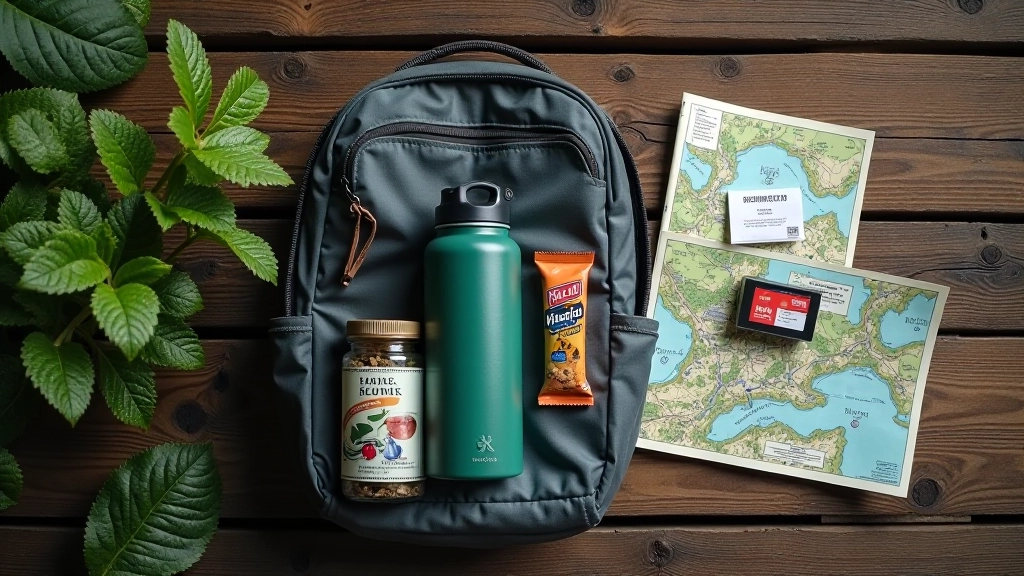
What to Bring (And What to Skip)
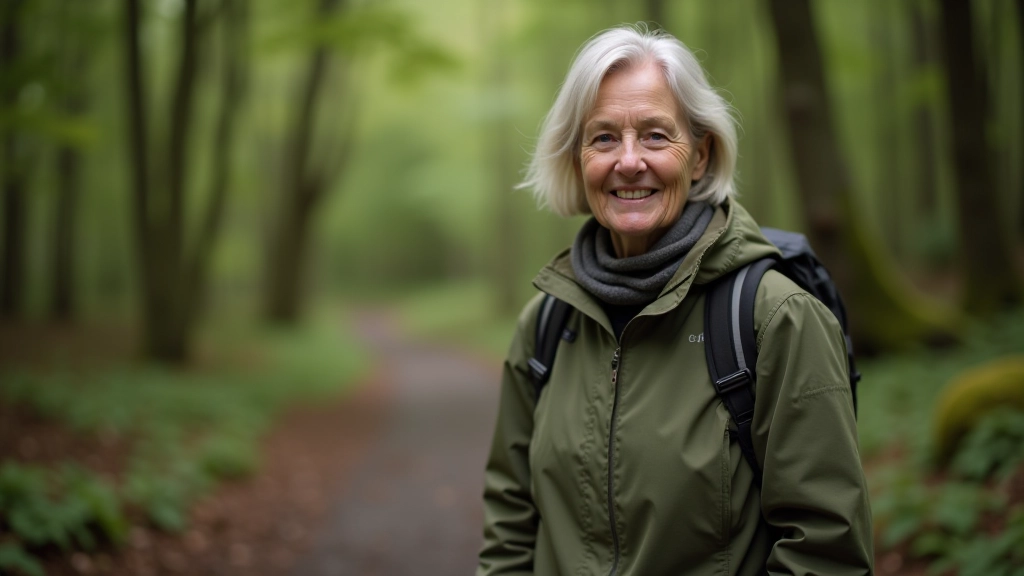
You don't need to carry everything. A small rucksack (10-15 liters) is plenty. Here's what actually matters: water (at least 500ml, more if it's warm), snacks (energy bars, fruit, nuts), and your phone for emergencies.
Bring tissues or a handkerchief — pollen counts are high in spring and early summer. A basic first aid kit is sensible (plasters, painkillers, antihistamine), but the trail's only 4.5km so you're never far from help. Don't bring heavy items you don't need. One person trying to carry binoculars, a camera, a guidebook, and a full picnic ends up frustrated and tired.
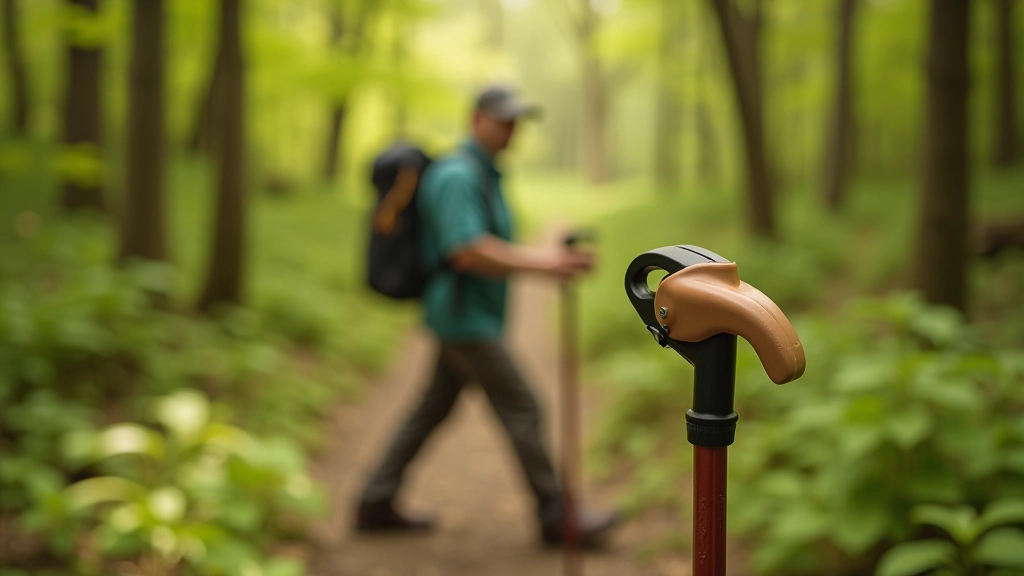
Consider bringing walking poles if you've had any knee issues. They're not essential, but they take pressure off your legs on the return journey. You'll notice many regular walkers use them — it's not about age, it's about smart technique.
Pace Yourself Properly
Here's the thing about woodland walking — it's not a race. The lakeside trail doesn't have a time limit. Most people complete it in 90 minutes to 2 hours, but that includes stops for rests and photos.
Start slowly. Your first 10-15 minutes should feel easy, almost like a stroll. This warms up your muscles and gets your breathing settled. If you're out of breath within the first 20 minutes, you're going too fast. You should be able to hold a conversation throughout.
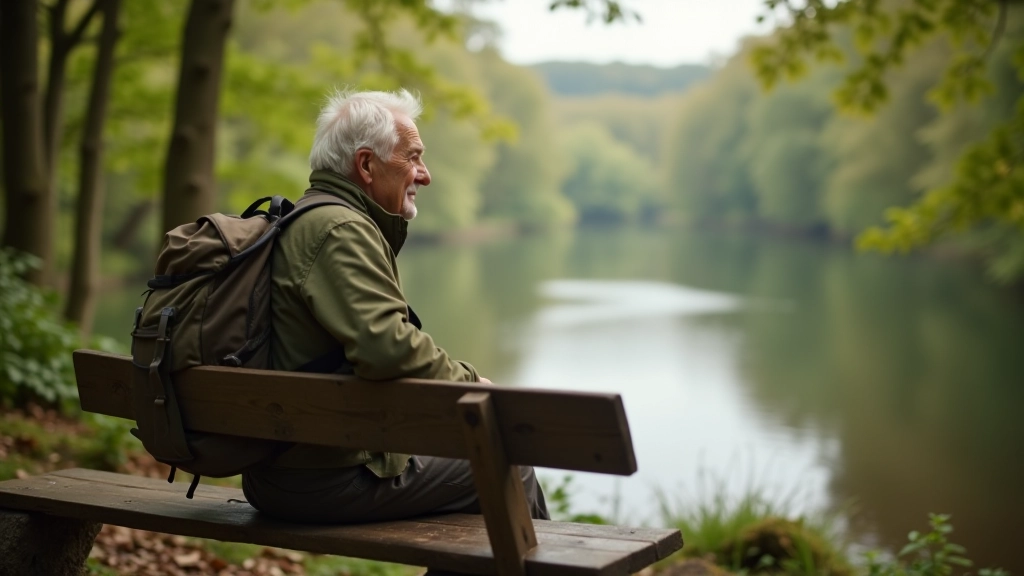
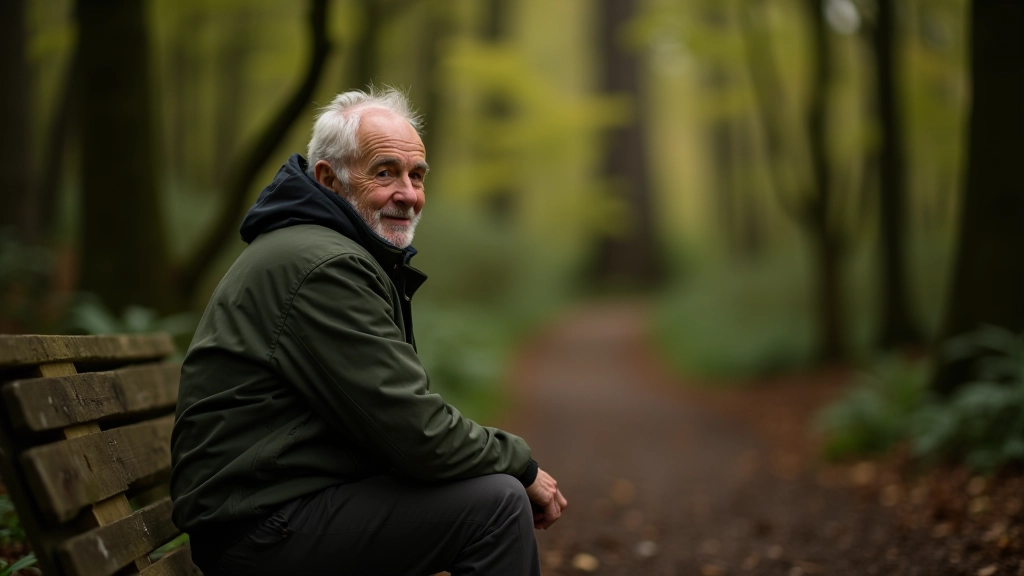
Take breaks before you need them. Don't wait until you're exhausted. Sit down every 30-40 minutes for 5 minutes. The benches along the Portumna trail are positioned at natural rest points. Use them. Drink water regularly, not just when you're thirsty.
Walking downhill puts more strain on your knees than walking uphill. This matters on the return journey. Lean slightly forward, shorten your stride, and go slower. Your joints will thank you.
Safety on the Lakeside Route
The Portumna lakeside trail is well-marked and maintained. Still, a few things matter: tell someone where you're going and when you'll be back. Even if it's just a text to a family member. If you're going alone, make sure your phone is charged and you've got signal (it's usually fine in this area).
The ground can be muddy in places, especially near the water. Wear shoes with good grip. In wet conditions, the trail takes longer. Don't rush. Footing becomes less certain, and that's when people slip.
Watch out for tree roots. They're part of woodland walking — raised roots cross the path in several spots. Lift your feet slightly as you walk rather than shuffling. It sounds small, but it makes a real difference.
Before You Go
Check the weather forecast. Bring appropriate clothing for rain or wind. Don't go out if you're feeling unwell or unusually tired.
During Your Walk
Stay on marked paths. Don't rush sections you're unsure about. If something doesn't feel right — pain, dizziness, shortness of breath — stop and rest. There's no medal for pushing through.
After You Return
Sit down for 10 minutes with water and a light snack. Your muscles need recovery time. It's normal to feel tired the next day. That's your body adapting.
Important Note
This guide is informational only. If you have any existing health conditions, joint problems, or concerns about physical activity, consult your doctor before starting woodland walks. Everyone's fitness level and circumstances are different. Listen to your body, and don't push beyond what feels comfortable. The trail will still be there next week.
Getting Started Is the Hardest Part
The Portumna lakeside trail is genuinely one of the nicest introductions to woodland walking. It's accessible, it's beautiful, and it doesn't demand anything extreme from you. You'll spend time in fresh air, see native trees and water birds, and come back feeling like you've actually done something worthwhile.
The key is to start without pressure. Your first walk doesn't need to be perfect. You might turn back early. You might take longer than expected. You might decide you want to try a different route next time. All of that's fine. What matters is that you went out and experienced something real in nature.
Woodland walking becomes easier and more enjoyable with each trip. Your legs get stronger, you know what to expect, and you discover spots along the route that become your favorites. That's when it stops being "exercise" and becomes something you actually want to do.
Read More on Woodland Walking