Flora and Fauna You'll Encounter
A guide to the wildlife and plants of Portumna Forest Park's lakeside trail

What Lives in the Forest?
The lakeside trail at Portumna Forest Park isn't just about the walking — it's about what you'll discover along the way. Whether you're stopping to watch a heron by the water's edge or noticing wildflowers blooming between the trees, the natural world here is constantly revealing itself. You don't need to be a naturalist to enjoy spotting birds, plants, and small creatures. A bit of curiosity and patience is all it takes.
This guide covers what you're likely to encounter on the trail. We've highlighted the most common species, what makes them special, and the best times to spot them. Some visitors spend the whole walk looking down at their feet — which is great, because that's where some of the most interesting plants are. Others prefer scanning the trees and water. Either way, you'll see something worth noticing.

Birds You'll Spot
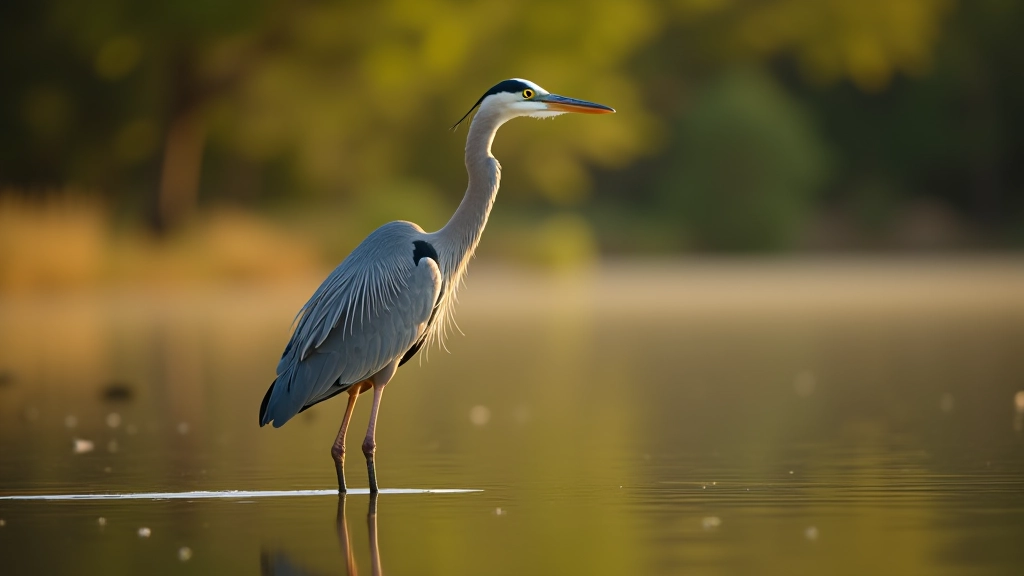
The trail follows the water's edge, which makes it brilliant for birdwatching. You'll likely see herons — tall grey birds that stand completely still in the shallow water, waiting for fish. There's also the occasional cormorant, which you might mistake for a duck until you notice how much larger it is. Great crested grebes show up in winter, and they're unmissable with their distinctive head crests.
In spring and summer, listen for the chaffinch's distinctive call — sounds a bit like a tiny door slamming. You'll hear robins year-round, even if you don't always see them. Woodpigeons are common but often overlooked. If you hear a loud "coo-coo-coo" sound coming from above, that's likely one. The real bonus is spotting kingfishers. They're quick and small, but if you're patient and quiet near the water's edge, you might catch a flash of brilliant blue.
Pro tip: Early morning walks (before 9 AM) are best for birdwatching. Birds are most active when it's cool and fewer people are around. Bring binoculars if you have them, but honestly, you don't need them — the trail brings you close enough to most species.
Plants and Wildflowers
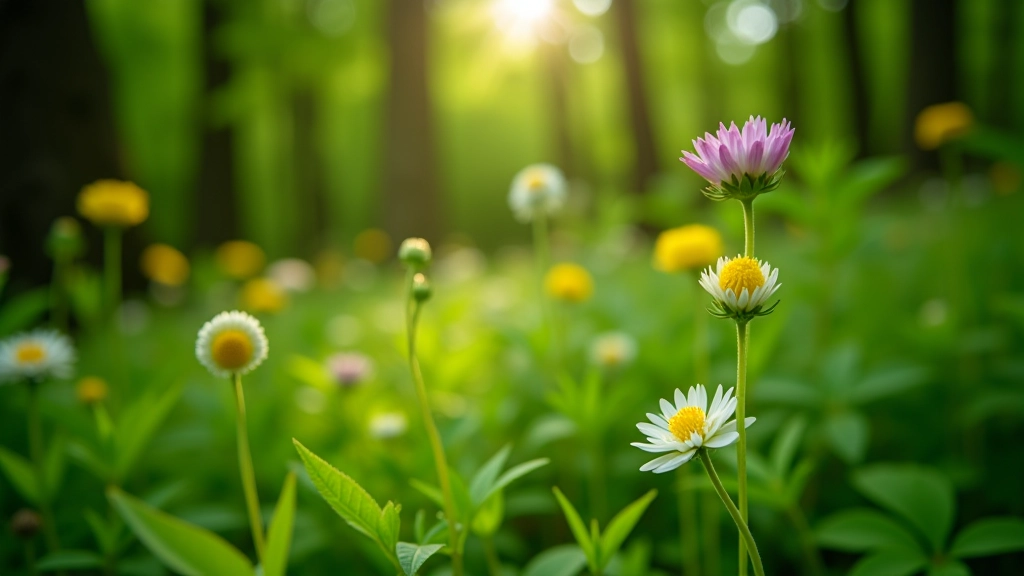
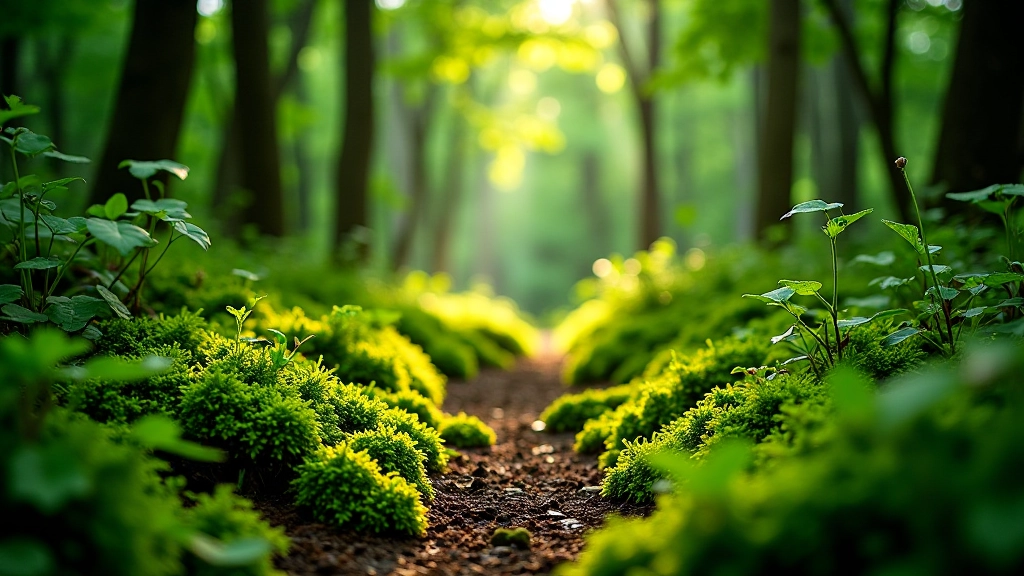
Look down, and you'll see a completely different world. The forest floor is covered with ferns — some delicate and lacy, others with thick fronds. If you visit in spring (April and May), you'll find wood anemones creating white carpets under the trees. Bluebells show up in late May and early June, and they're worth the trip on their own. The flowers attract butterflies and bees, so you'll often see activity around them.
Oak and beech trees dominate the canopy, and they're worth looking up for. Mature oaks can be 300+ years old — some of the trees you're walking past were already ancient when this trail was first opened. Along the water's edge, you'll find sedges and reeds. These plants aren't showy, but they're essential for fish and water birds. Don't overlook the humble ivy either — it climbs the trees and provides shelter for birds and insects throughout winter.
Common Plants to Spot:
- Bluebells (late May–June)
- Wood anemones (April–May)
- Ferns (year-round)
- Oak trees (distinctive bark)
- Ivy (evergreen coverage)
Small Creatures and Insects
You're less likely to see them, but they're everywhere. Squirrels are fairly common — you'll spot them dashing up trees or raiding the forest floor for nuts. They're quick, but if you stay quiet, they often don't mind your presence. Rabbits use the forest edges, especially near the start of the trail where it's more open. Early morning is your best chance of spotting them.
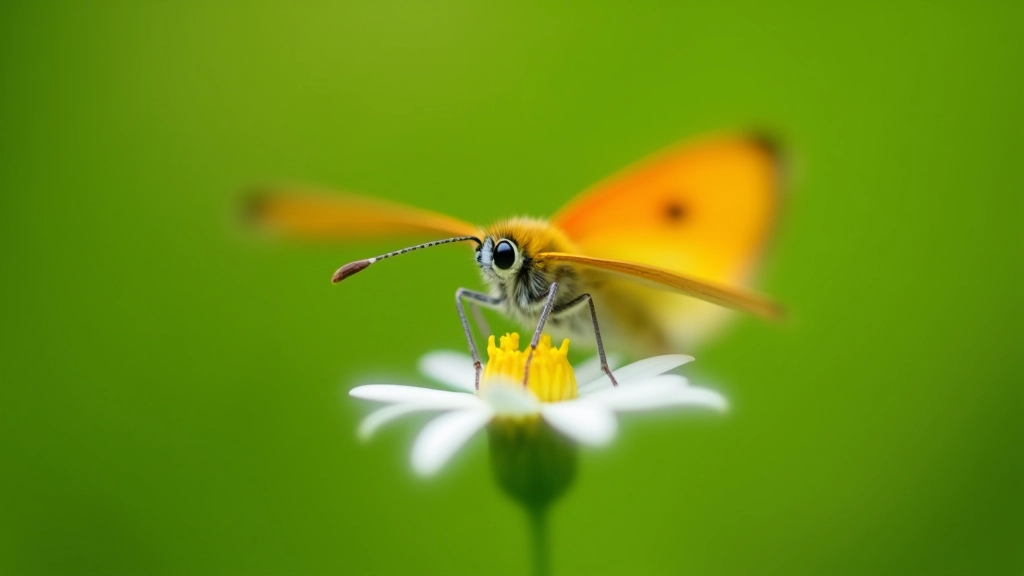
Butterflies are brilliant in summer months. The orange-tip butterfly shows up in spring, and the speckled wood butterfly is common throughout the warmer months. You'll also see dragonflies near the water, especially blue ones skimming the surface in July and August. The woodland floor is full of beetles, woodlice, and centipedes, though you'll only notice them if you stop and look carefully under logs or leaf litter.
Bats hunt insects over the water at dusk — if you time your visit for early evening in summer, you might see them swooping. They're completely harmless and absolutely silent. It's one of those magical moments that makes the walk feel special.
A Note About Wildlife
This guide provides general information about common species found in the Portumna area. Wildlife identification can be challenging, and variations exist between individuals. If you're interested in learning more about specific species, consider bringing a field guide or using a wildlife identification app. Never approach wild animals — maintain a respectful distance, especially with birds nesting or raising young. The information here is for educational purposes and based on typical seasonal patterns. Your actual sightings will vary depending on the time of year, weather, and time of day you visit.
Enjoy the Wildlife at Your Own Pace
The best part about spotting flora and fauna on the trail is that there's no rush. Unlike a dedicated wildlife tour, you're walking at your own pace, stopping when something catches your eye. Some days you'll see plenty. Other days you might only notice the trees and the water. Both experiences are valuable.
Bring a small notebook if you want to jot down what you've spotted — it's a nice way to track your visits and notice patterns. A camera with a good zoom works brilliantly for capturing birds without disturbing them. Most importantly, keep your phone on silent or vibrate. Wildlife responds to sound more than sight, and a quiet walk is when you'll notice the most.
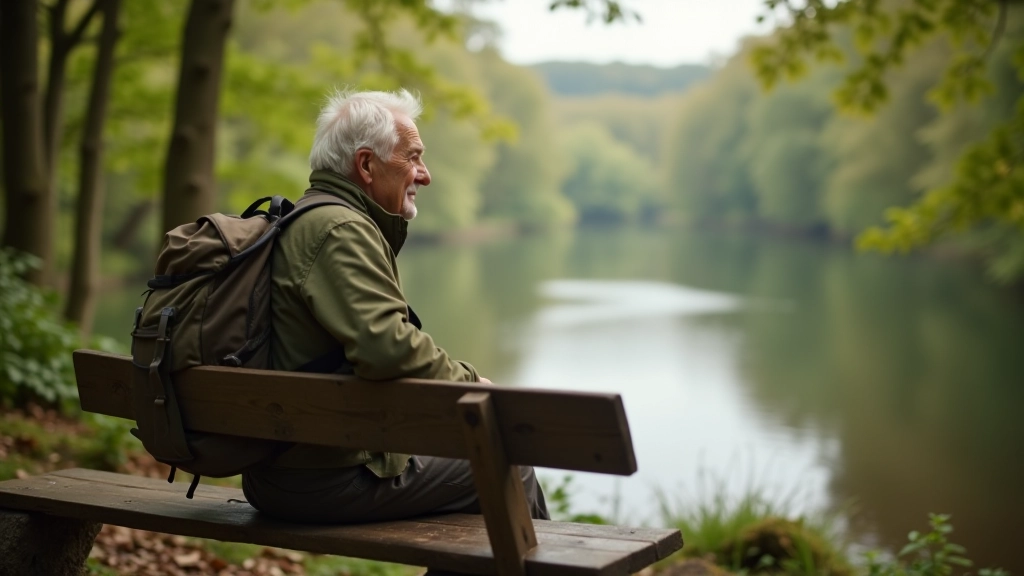
The Portumna trail is special because it brings you close to nature without requiring specialist knowledge. You don't need to identify every bird or plant to enjoy them. Sometimes just stopping to watch a heron fishing, or listening to birdsong while sitting on one of the benches, is enough.
Explore More Guides