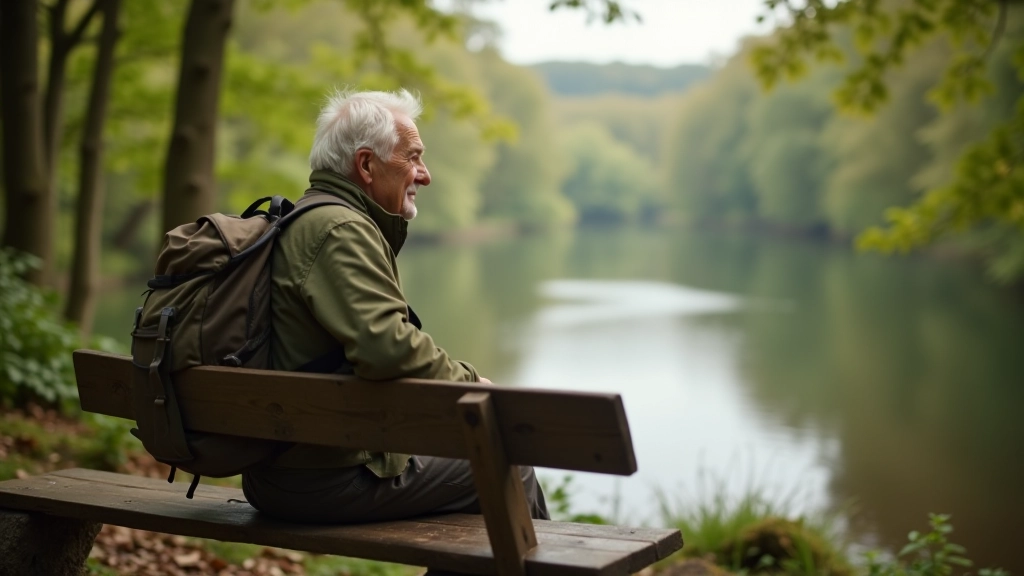

Walking Poles and Pacing Techniques
Master the fundamentals of using walking poles correctly and develop a sustainable pace for longer woodland trails
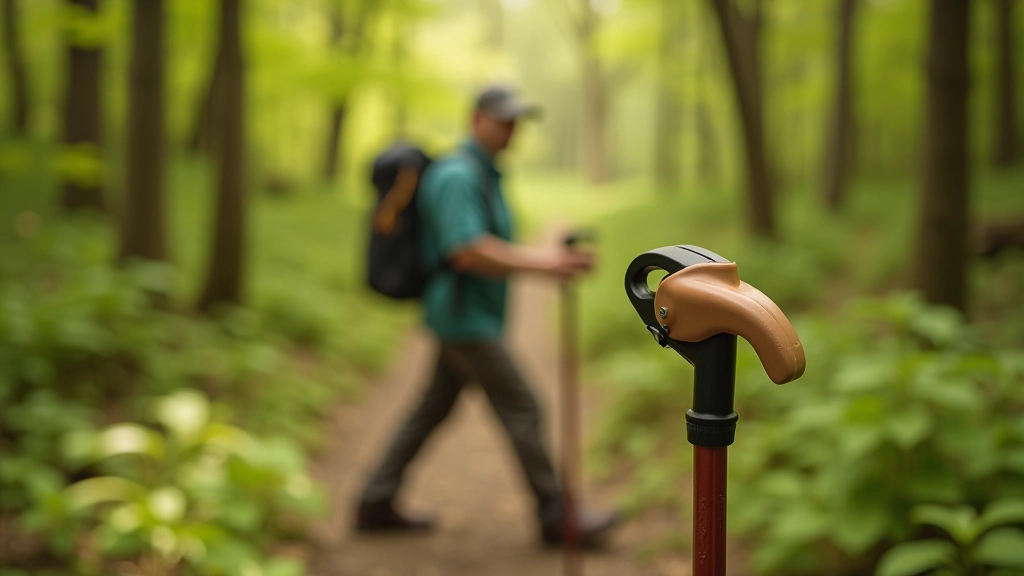

Why Poles Matter on the Trail
Walking poles aren't just for alpine mountaineers. They're one of the most practical tools for woodland hiking, especially on the gently rolling terrain around Portumna. You'll feel the difference within the first 100 meters — they genuinely reduce the impact on your knees and hips while giving you better balance on uneven ground.
The trick is learning to use them properly. Many people pick up poles and end up with sore shoulders or wrists because they're not engaging their arms correctly. We're going to walk you through everything — from choosing the right height to finding a rhythm that feels natural.
Did you know? Properly used walking poles can reduce the load on your knees by up to 25%, making longer trails feel significantly easier.
Getting Your Poles to the Right Height
This is where most people go wrong. Your poles should be adjusted so your elbows bend at roughly 90 degrees when you're standing naturally with the pole planted on flat ground. It's not a guess-and-check situation — there's a simple formula.
Take your height in centimeters and multiply it by 0.68. If you're 170 cm tall, that's about 115 cm (roughly 45 inches). But here's the thing — if the terrain's steep, you might want them slightly shorter going uphill and slightly longer going down. Adjustable poles are worth the investment for this reason alone.
Quick height check:
- Stand naturally with arms at your side
- Your hand should reach roughly mid-forearm on your legs
- Adjust until your elbow angle is comfortable (around 90 degrees)
- Test on flat ground before hitting the trail

Finding Your Natural Rhythm
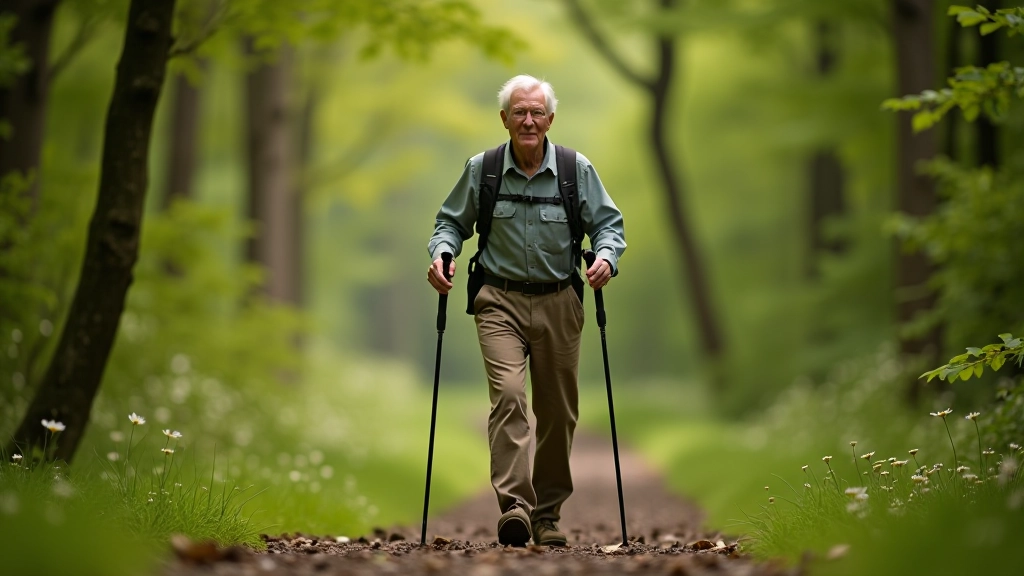
The actual technique is simpler than you'd think. You don't need to plant poles with military precision. Instead, think of them as extensions of your arms that help propel you forward and provide stability.
On flat ground, you'll use what's called a diagonal stride — right pole forward with left leg, then left pole forward with right leg. It's the opposite of what feels intuitive at first, but it mirrors your natural walking motion. Your poles should touch the ground lightly, not with force. If you're gripping them white-knuckled, you're working too hard.
The real benefit shows on uphills. Plant both poles together and use your arm strength to help push yourself up. On descents, they become brakes — plant them ahead of you to slow your descent and protect your knees from pounding.
Pacing Yourself for Longer Distances
Walking poles help, but pacing is what gets you through a full woodland trail without exhaustion. The Portumna lakeside route is about 8-10 kilometers depending on which sections you explore. That's not a sprint — it's a meditation.
Start slower than you think you need to. You should be able to hold a conversation the entire way. If you're breathless after 15 minutes, you've gone too fast. A sustainable pace on varied terrain is typically 3-4 km/hour. Yes, that sounds slow. It's not. You'll cover serious ground, enjoy the forest, and arrive feeling energized rather than wrecked.
The Talk Test
Can you chat with your companion? Perfect. Can you sing a song without gasping? Still good. Completely breathless? Dial it back 10-15%.

Building Your Endurance Gradually
If you're new to longer walks, don't jump straight into 10 kilometers. Start with 3-4 km routes and add distance every other week. Your body adapts faster than you'd expect, but the adaptation needs rest days in between.
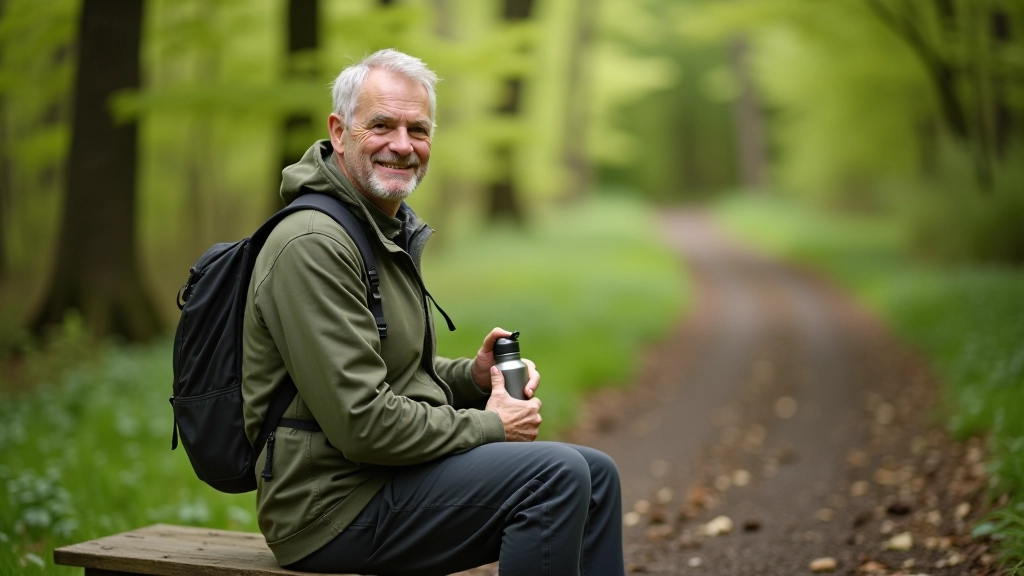
Take regular breaks — every 45 minutes or so. Sit down properly, have water, let your heart rate settle. These aren't failures. They're essential parts of building endurance. You'll notice after 3-4 weeks that the same distance feels noticeably easier, and you're recovering faster.
The combination of poles and measured pacing means you're building strength without overloading your joints. Your leg muscles will strengthen, your cardiovascular fitness will improve, and your knees will thank you for the support.
Putting It All Together
Walking poles and smart pacing transform longer trails from something daunting into something genuinely enjoyable. You're not just moving through the forest — you're engaging your whole body, protecting your joints, and finding a rhythm that feels sustainable.
The Portumna lakeside trail is perfect for practicing these techniques. It's varied enough to test different pacing strategies, gentle enough to focus on form, and beautiful enough that you'll want to keep coming back. Start with the fundamentals we've covered here, be patient with yourself as you learn the technique, and you'll find that longer distances become genuinely manageable.
Information Disclaimer: This article provides educational information about walking techniques and pacing strategies. It's not medical advice. If you have existing joint concerns, mobility issues, or health conditions, consult with your healthcare provider or a physical therapist before starting a new walking program. Everyone's fitness level and abilities are different — adjust these guidelines to match your own circumstances and comfort level.
Explore More Articles