Rest Spots and Water Features on the Trail
Finding peaceful places to pause and enjoy the natural beauty of Portumna's lakeside woodland

Why Rest Spots Matter
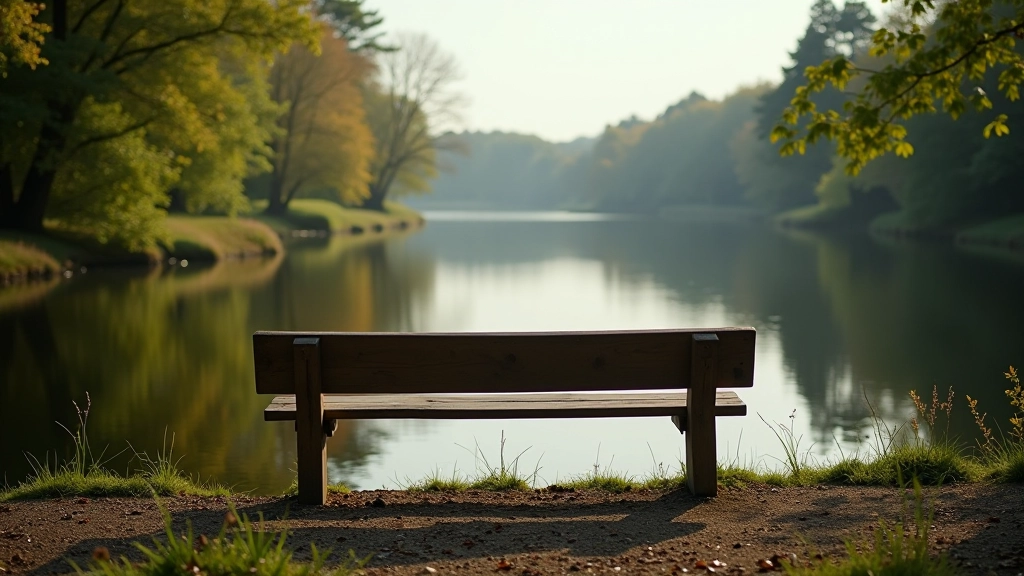
Walking in nature isn't about rushing from start to finish. It's about stopping to breathe, to look around, and to feel genuinely present. On the Portumna lakeside trail, you'll find plenty of places designed for exactly this — benches overlooking the water, shaded areas beneath old oaks, and natural viewpoints that make you want to linger.
The trail winds alongside the lake for much of its length. This means you're never far from water views, but it also means you'll discover hidden spots where you can sit quietly and watch the light change on the surface. We've walked this path many times, and we've learned where the best places are to take a proper break — not just a quick pause, but a real moment to recover and enjoy.
Key Points
- Rest benches placed every 15–20 minutes of walking
- Water access at three main points along the trail
- Shaded areas under mature woodland canopy
- Clear sightlines for safety and enjoyment
The Main Rest Areas
There are three primary rest areas along the trail, each with its own character. The first is near the car park entrance — a cluster of benches under mature beech trees. It's sheltered and good if you need to warm up before or cool down after your walk.
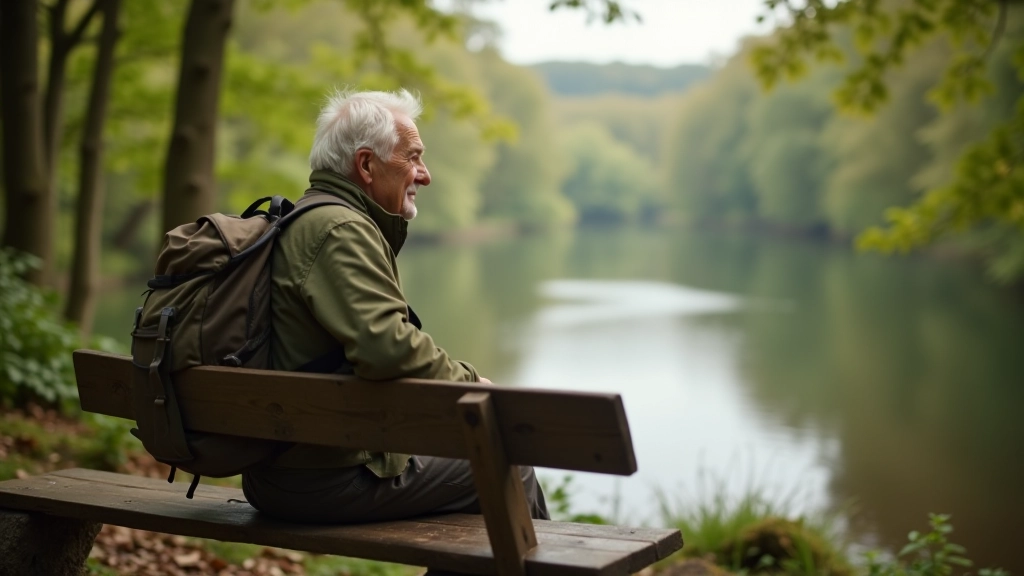
The second major spot sits about halfway along the trail, right at the water's edge. This is where most people spend time. You've got a proper viewing platform, benches arranged to face the lake, and it's close enough to the water to hear it lapping against the shore. On clear days, you can see across to the far bank and watch for waterbirds.
The third area is more secluded — tucked back slightly from the main path, under a dense canopy of oak and ash. It's quieter, which some walkers prefer. There's a bench here, though it's smaller and doesn't have the view the other spots do. But that's the appeal — it's peaceful, and you'll often have it to yourself.
Water Access and Safety
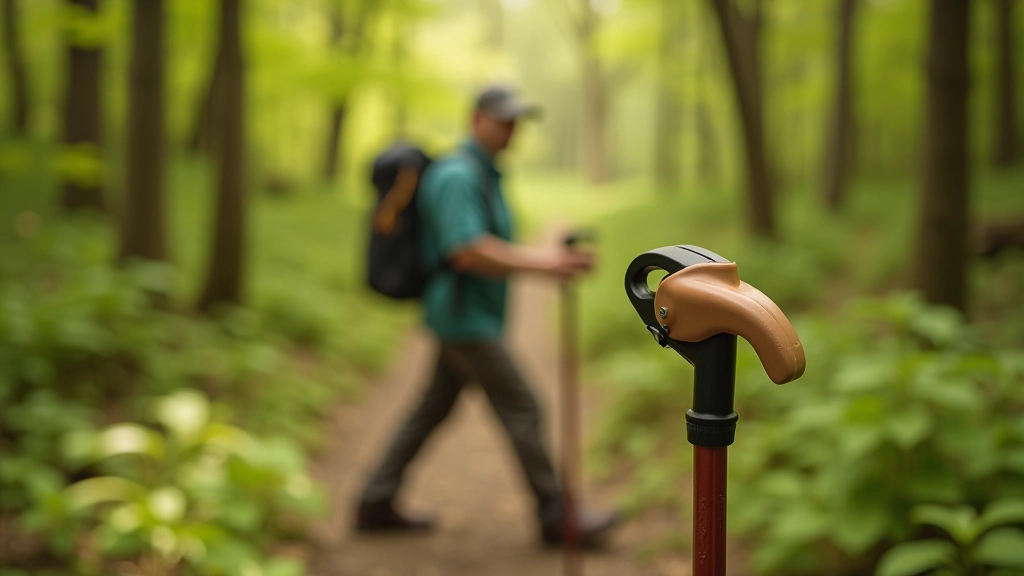
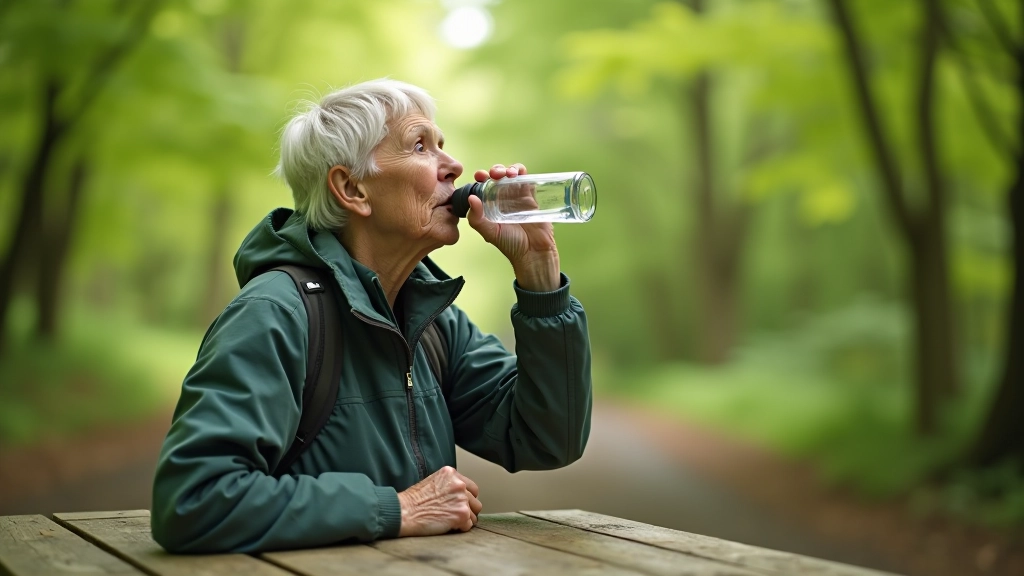
The lake is always there, but you can't drink from it directly. You shouldn't. Instead, bring your own water — at least 500ml per person for a two-hour walk. We recommend a refillable bottle you can carry easily. Some walkers prefer a small backpack so their hands stay free for using walking poles.
There's a small tap near the visitor centre car park if you want to fill up before you start. It's also worth knowing that the lakeside path can be muddy after rain, especially near the water's edge where it's damper. The benches closest to the water are the ones most likely to be wet, so check before you sit.
The water itself is beautiful to look at. Sit for a few minutes and you'll see movement — fish breaking the surface, water insects, maybe a heron if you're lucky. But keep your distance from the edge, especially if you're using walking poles. They can catch on uneven ground.
Timing Your Breaks
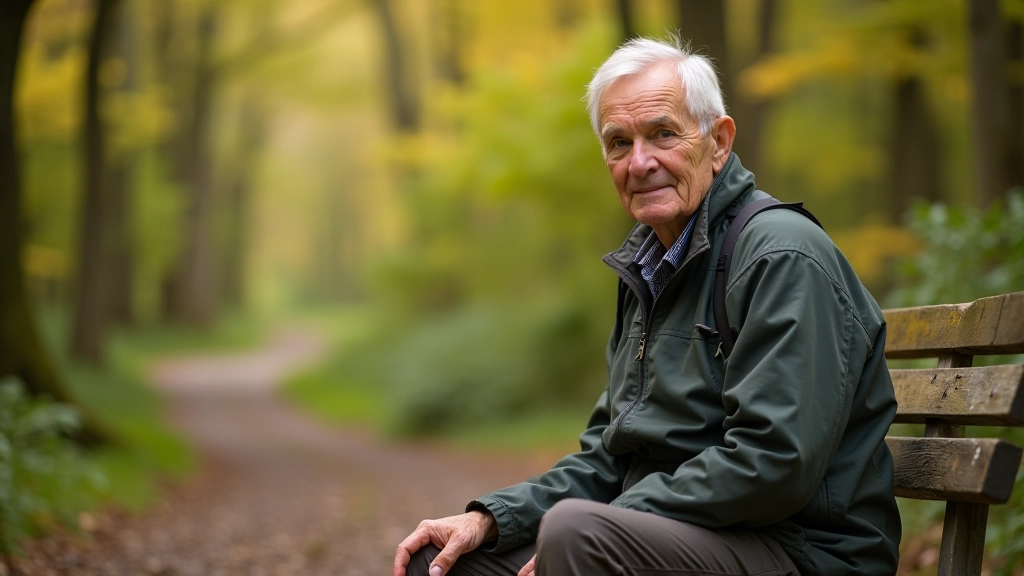
Don't wait until you're exhausted to rest. That's the key thing we've learned. A short break every 15–20 minutes of walking means you can keep going longer and enjoy it more. Your legs stay fresher, your energy stays steady, and you're not forcing yourself through fatigue.
A good break lasts about 5–10 minutes. Enough time to sit, catch your breath, have a drink, and look around. Not so long that your muscles get stiff. If you sit for 15 minutes, you'll feel it when you stand up again — that heavy feeling in your legs. Keep it short and regular instead.
The temperature matters too. On a warm day, you'll need more breaks and more water. On a cool day, breaks can be briefer. Listen to your body. If you feel your heart rate is still elevated after sitting for a minute or two, take a bit longer. There's no rush.
Shelter and Shade
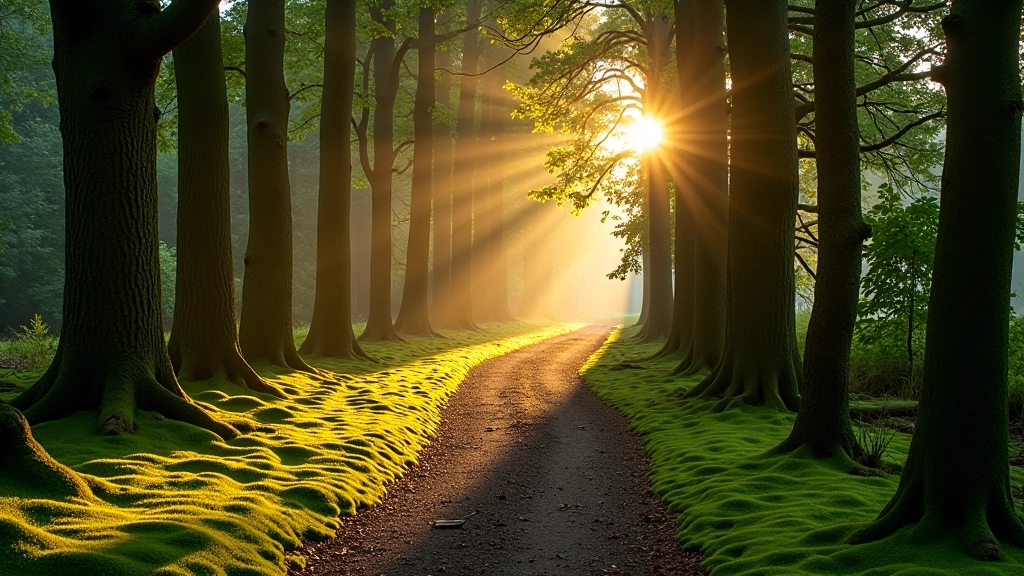
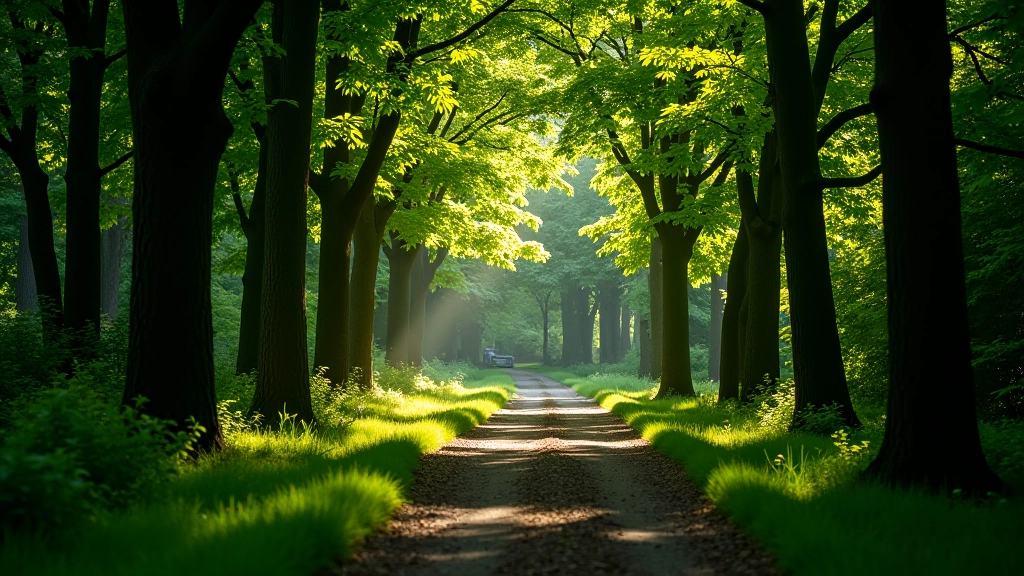
The woodland provides excellent shade for most of the walk. The mature trees — beeches, oaks, and ash — create a dense canopy that keeps you cool even on warm days. This is one of the best things about walking in woodland rather than open countryside. You're protected from wind, sun exposure, and rain to some degree.
The shade is especially important if you're walking in summer. Direct sun on exposed skin for two hours can be uncomfortable, even if it doesn't feel hot. Under the trees, you'll stay cool and won't need as much water. But the trade-off is that it can be damp — the ground dries slower in shade, so wear shoes with good grip.
If you're walking on a rainy day, the canopy offers some protection, though you'll still get wet eventually. The heavier the rain, the more it'll drip through. But light rain is almost pleasant — the smell of wet earth and leaves, the quietness that rain brings. Many walkers prefer it to the bright heat of summer.
Important Information
This article is provided for educational and informational purposes. Conditions on woodland trails can change due to weather, seasonal changes, or maintenance work. Always check with the Portumna visitor centre or local authorities before your walk for current conditions. If you have health concerns or mobility limitations, consult with your doctor before undertaking any walking activity. Bring adequate water, wear appropriate footwear, and let someone know your plans. Walking is an excellent activity for older adults, but individual fitness levels vary — start with shorter walks and progress gradually.
Take Your Time
The trail isn't going anywhere. You don't need to finish it quickly. The whole point is to be outside, moving gently, and noticing things. Rest when you need to. Sit by the water and watch it for a while. Feel the air, listen to the birds, and let your mind settle.
The benches are there for a reason — they're invitations to slow down. Use them. You'll find that the best part of a woodland walk often isn't the walking itself, but those quiet moments when you're sitting still and taking it all in.
Related Articles